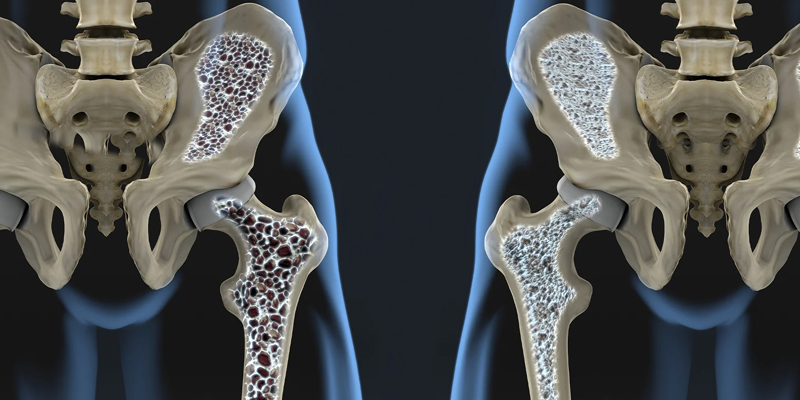
Comprehensive Osteoporosis Management by Dr. Pushpender Khatana
Osteoporosis is a debilitating condition characterized by weak, brittle bones that are highly susceptible to fractures. It occurs when the body loses bone mass faster than it can replace it, leading to a decrease in bone density and strength. Often termed a "silent disease," osteoporosis typically progresses without noticeable symptoms until a fracture occurs, commonly in the hip, spine, or wrist.
Dr. Pushpender Khatana specializes in the diagnosis, prevention, and advanced management of osteoporosis, focusing on preserving bone health and significantly reducing fracture risk for his patients.
Understanding the Risk Factors for Osteoporosis:
Several factors can increase an individual's risk of developing osteoporosis:
- **Age**: The risk of osteoporosis significantly increases with age as natural bone density declines.
- **Gender**: Women, particularly after menopause due to decreased estrogen levels, are at a higher risk than men.
- **Family History**: A genetic predisposition exists; having a family history of osteoporosis or fragility fractures increases your risk.
- **Race and Ethnicity**: Individuals of Caucasian and Asian descent generally have a higher risk.
- **Low Body Weight**: A small, thin frame or low body weight can predispose individuals to lower bone density.
- **Lifestyle Factors**: Smoking and excessive alcohol consumption are detrimental to bone health.
- **Dietary Deficiencies**: Inadequate intake of calcium and Vitamin D, essential nutrients for bone formation and strength, contributes to bone loss.
- **Inactive Lifestyle**: Lack of regular weight-bearing exercise weakens bones over time.
- **Certain Medications and Medical Conditions**: Long-term use of corticosteroids, some anti-seizure medications, and specific medical conditions like rheumatoid arthritis, celiac disease, and hormonal imbalances (e.g., hyperthyroidism, hyperparathyroidism) can increase osteoporosis risk.
Prevention and Management Strategies:
Dr. Pushpender Khatana adopts a comprehensive approach to prevent and manage osteoporosis, tailored to each patient's unique needs:
- **Personalized Dietary Guidance**: Emphasis on a diet rich in calcium and Vitamin D. Nutritional counseling to ensure adequate intake through food or supplements.
- **Tailored Exercise Regimens**: Recommendation of weight-bearing exercises (e.g., walking, jogging, dancing) and resistance training to build and maintain bone density and improve balance, thereby reducing fall risk.
- **Lifestyle Modifications**: Counseling on avoiding smoking and limiting alcohol consumption to protect bone health.
- **Advanced Bone Density Testing (DXA)**: Utilizing dual-energy X-ray absorptiometry (DXA) scans for accurate measurement of bone density and assessment of fracture risk, allowing for early detection.
- **Pharmacological Interventions**: Prescription of appropriate medications, such as bisphosphonates, hormone therapy, or other anabolic agents, to prevent bone loss, increase bone formation, and strengthen existing bones.
- **Ongoing Monitoring and Support**: Regular follow-ups to monitor bone density, assess treatment effectiveness, and adjust plans as needed to ensure optimal long-term bone health and fracture prevention.
Early detection and a proactive, individualized management plan are vital for mitigating the impact of osteoporosis and improving quality of life. Dr. Khatana is committed to providing expert care to help you maintain strong bones and live a fracture-free life.